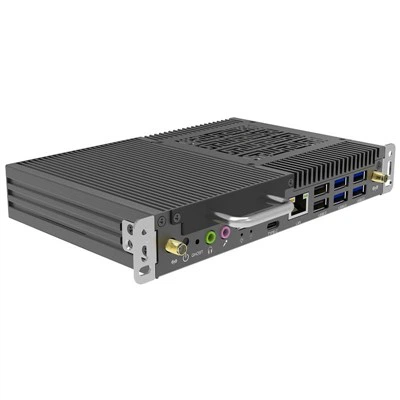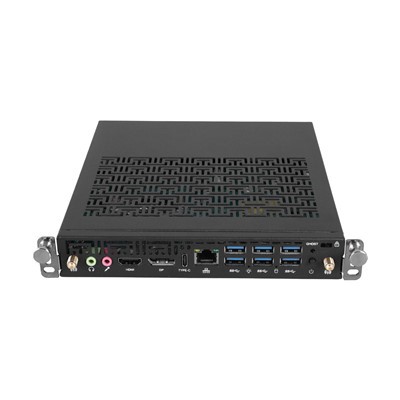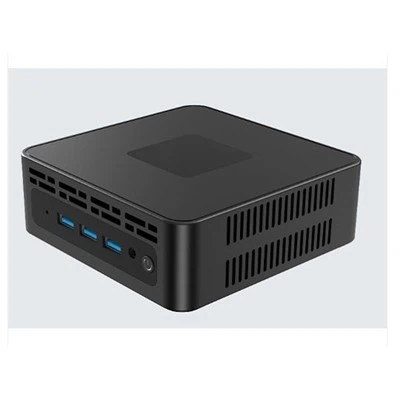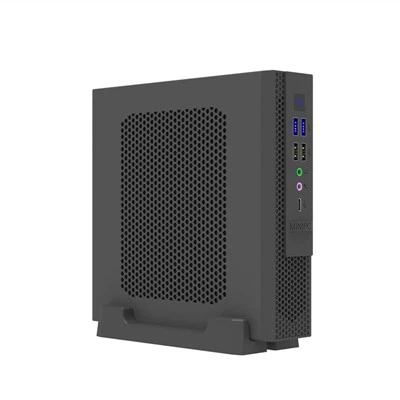

Industrial PCs are computers specifically designed for the field of industrial control. While their fundamental performance is comparable to that of commercial computers, they place a strong emphasis on stability within complex environments. They must meet rigorous requirements-such as resistance to dust, water, and high temperatures-and be capable of continuous, long-term operation, making them ideal for applications such as production line control and data exchange. Key characteristics include high reliability, real-time responsiveness, robust anti-interference capabilities, and scalability. These systems are frequently equipped with protective enclosures (often rated at IP65) and industrial-grade components, and they support various mounting options-including embedded and wall-mounted configurations-as well as the integration of specialized expansion modules.
As industrial automation continues to advance, industrial PCs have gradually evolved from being mere single-purpose control devices into versatile infrastructure systems applicable across a wide spectrum of sectors, including healthcare and transportation. Driven by cost advantages, commercial-grade hardware has begun to penetrate industrial settings; meanwhile, touch-panel PCs have emerged as a dominant trend due to their operational convenience, often featuring aluminum-magnesium alloy chassis and supporting a diverse range of screen sizes and processor options. Manufacturers are required to customize system solutions based on specific environmental parameters-such as temperature, humidity, and power supply conditions-incorporating specialized design features (e.g., thermal management and voltage regulation) to ensure unwavering reliability even under extreme operating conditions.
Industrial panel PCs are specialized industrial control computers engineered exclusively for industrial applications. While their basic performance and compatibility are largely on par with those of commercial PCs, industrial panel PCs prioritize operational stability across diverse environments-such as those found in beverage bottling lines or automotive assembly plants. They are engineered to remain stable even under harsh conditions, incorporating protective features against dust, water, and static electricity. Rather than chasing peak performance metrics, industrial panel PCs focus on meeting the specific functional requirements of the target system. They must strictly adhere to the rigorous standards for reliability and stability demanded by industrial environments; a computer failure on a production line could result in severe financial losses. Consequently, industrial panel PCs are subject to stringent specifications and must offer robust scalability to ensure uninterrupted, dependable operation.