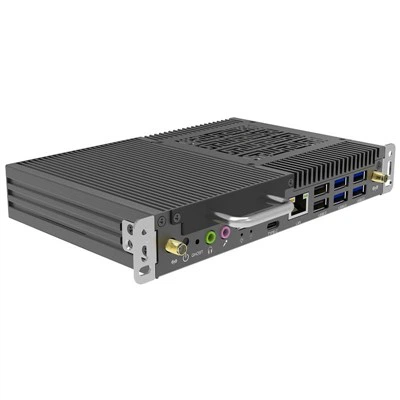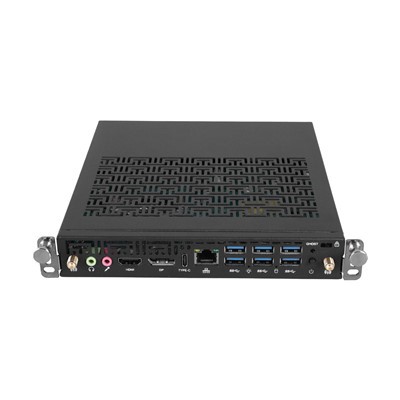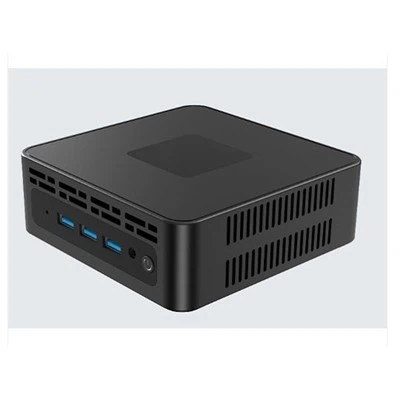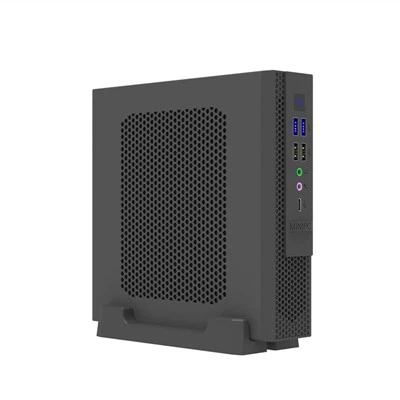

Heat Dissipation Principles and Core Challenges
At its core, heat dissipation in industrial panel PCs is a process of thermal transfer; the primary challenge lies in balancing performance with temperature management. When a processor operates at high speeds, it generates a significant amount of heat; if this heat is not dissipated promptly, it can lead to CPU throttling or even system failure. Common passive cooling methods rely on metal heat sinks and ventilation vents, while active cooling employs fans to generate forced convection. The key is to select the appropriate solution based on the operating environment-for instance, active cooling designs are better suited for high-temperature workshop settings.
Comparison of Mainstream Cooling Solutions
Metal Chassis Cooling: Aluminum alloy enclosures offer a combination of structural strength and thermal conductivity; while cost-effective, their heat dissipation efficiency is limited.
Heat Pipe Technology: Utilizes the principle of phase change to rapidly transport heat away, making it ideal for devices with compact form factors.
Dual-Fan Convection System: Achieves highly efficient cooling through optimized airflow channel design, though this typically results in a thicker device profile.
Graphene Patches: An emerging material boasting exceptional thermal conductivity, currently being progressively adopted in high-end device models.
Practical Tips for Enhancing Cooling Efficiency
Regularly clean dust accumulation from ventilation vents (at least once a month).
Avoid prolonged operation at full load; utilize appropriate performance modes as needed.
Install a cooling stand beneath the device to improve airflow circulation.
When the ambient temperature exceeds 35°C, it is recommended to use the device in conjunction with an external cooling device.
Opt for devices equipped with intelligent temperature control systems capable of dynamically adjusting cooling strategies.